Why Elderly Care Is a Booming, Recession-Proof Field
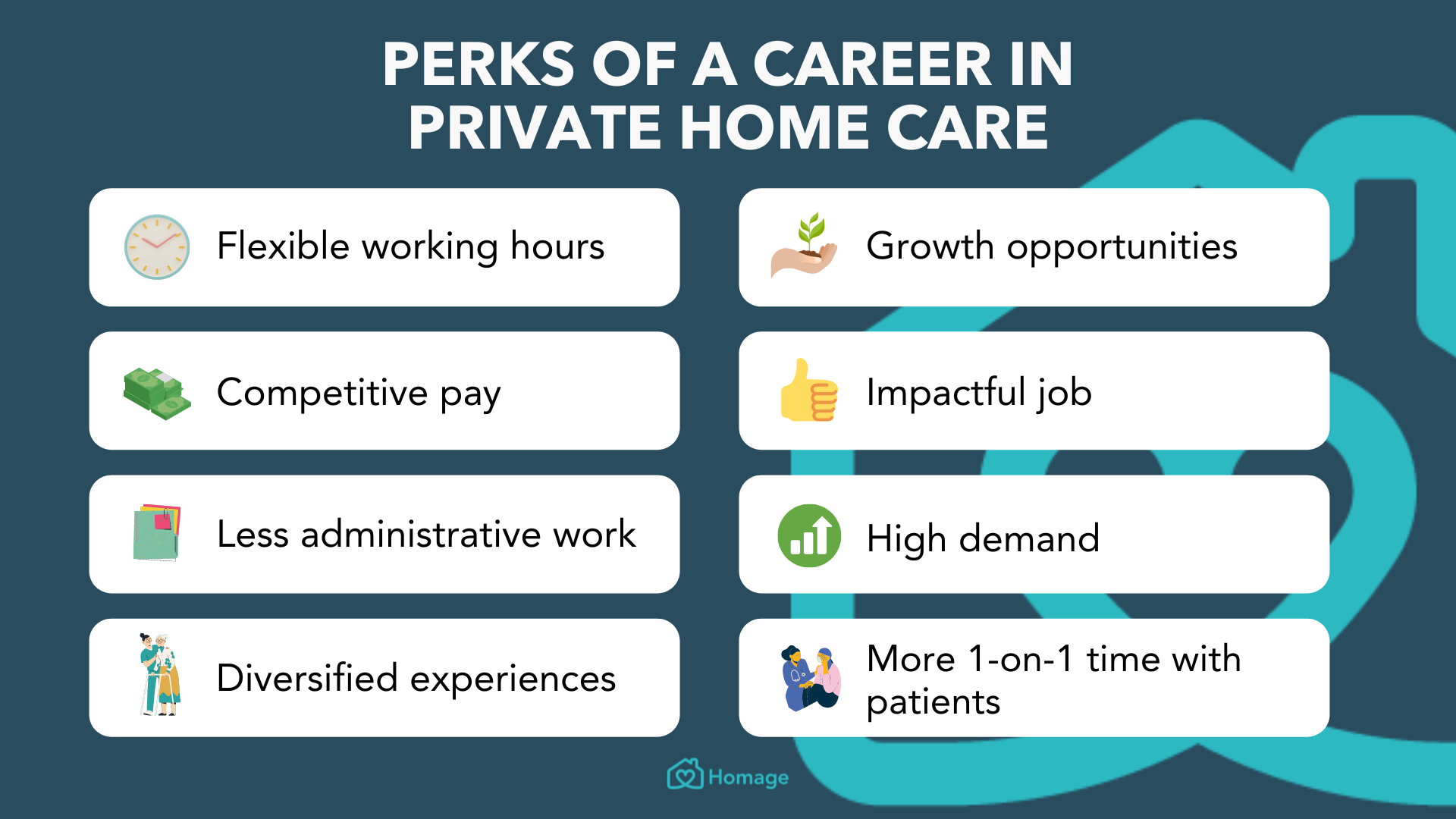
Healthcare, especially elderly care, is one of the most secure industries in America. As the large Baby Boomer generation ages, the need for senior living and long-term care is growing faster than ever. This massive demographic shift has created a nationwide worker shortage — meaning facilities are competing to hire, offering higher pay, sign-on bonuses, and better perks to attract reliable staff.
Unlike jobs that can be automated or sent overseas, caregiving requires real human connection. This guarantees strong job security for years to come. Whether you want part-time work or a full-time career with room to grow, elderly care has options for every lifestyle.
Key Roles in Nursing Homes & Senior Care
Understanding the different job titles helps you pick the right path for your skills and goals.
1. Personal Care Aide (PCA)
The most common entry-level role, usually no formal certification required.
- Duties: Help with bathing, dressing, eating, grooming, and companionship
- Requirements: High school diploma or GED; on-the-job training
2. Certified Nursing Assistant (CNA)
Higher pay, more responsibility, works under nurses.
- Duties: Take vital signs, assist with mobility, help with daily care, record health updates
- Requirements: State-approved training program + certification exam
3. Home Health Aide (HHA)
Similar to PCA/CNA but works in patients’ homes.
- Duties: In-home care, basic health monitoring, light housekeeping
- Requirements: Training and certification (varies by state)
How to Get Started: Training & Certification
One of the biggest advantages of caregiving is the fast, easy-to-start career path
- Training takes just 4–12 weeks (community colleges, vocational schools, Red Cross)
- Many nursing homes offer earn-as-you-learn programs — they pay for your training
- After training, you pass a state exam to get your CNA license
- Licensing opens doors to higher pay and more opportunities
Salary & Benefits: What You Can Expect
Earnings depend on location, experience, and role, but the trend is strongly upward.
- Hourly pay for entry-level roles is above minimum wage
- CNAs earn significantly more than PCAs
- Night, weekend, and holiday shifts often pay extra (shift differentials)
- Overtime is widely available in 24/7 facilities
- Full-time benefits often include: health insurance, dental, vision, paid time off, 401(k)
What Makes a Successful Caregiver?
Employers look for more than just skills — they want the right personality.
- Empathetic and caring
- Patient (especially with dementia or memory challenges)
- Reliable and punctual
- Physically able to stand, assist, and support residents
- A strong team player
Career Growth: More Than Just a Job
Caregiving is often a stepping stone to a bigger healthcare career.
- Advance from CNA to LPN or RN (many facilities offer tuition help)
- Move into management: staffing coordinator, supervisor, or case manager
- Specialize in memory care, hospice, or rehab for higher pay
- Gain experience that makes nursing school much easier
How to Find the Best Nursing Home Jobs Near You
Jobs are widely available — you just need to search smartly.
- Use job boards with keywords: Caregiver, CNA, Nursing Assistant, Elderly Care
- Check career pages of local nursing homes and assisted living centers
- Work with healthcare staffing agencies for fast placements
- Look explicitly for jobs that offer paid training for beginners
Conclusion
A career in elderly care offers something rare: stability, purpose, and growth — all without years of expensive schooling. Whether you’re a new graduate, re-entering the workforce, or changing careers, caregiving gives you the chance to change lives while building your own secure future.
The demand is real. The pay is rising. The opportunity is waiting.
Start researching training programs and local jobs today — your rewarding new career is closer than you think.